







First Time Application
Applying for Disability Benefits? Let us Help
The Social Security Disability process can seem overwhelming, especially if you are trying to navigate the system while you are ill or injured and worrying about how your family will survive without your income. Submitting an application without the proper supporting documentation or other mistakes can lead to a denial of your claim. In fact, 65% of initial applications are denied, as are 91% of applications submitted for reconsideration (the first-level appeal).
Understanding Social Security Disability Insurance
Social Security Disability (SSD) is a federally run program that provides financial benefits to individuals who are unable to work due to disability or illness. SSD benefits are paid only to individuals who suffer a total disability – no benefits are made to individuals who are only partially disabled, or whose disability is considered short-term. So what is total disability? Any illness or disability that is expected to last more than 12 months, or is expected to result in the applicant’s death, is considered a total disability.
- There are two types of disability programs. Both provide financial benefits to individuals unable to work as a result of their disability but, aside from the disability requirement, each has different eligibility requirements.
- Social Security Disability Insurance (SSDI): SSDI is funded through employee workplace contributions. In order to be eligible for SSDI, applicants must have worked a specific number of quarters within a specific number of years, in addition to being disabled. The work requirements vary depending on the applicant’s age and employment history.
-
- Supplemental Security Income (SSI): SSI is limited to disabled individuals, the blind, or applicants age 65 and older, whose income and resources falls below a certain threshold, and/or do not meet SSDI work requirements. The amount of income and resources an applicant may have and still be eligible to receive SSI changes each year.
Get Help with Your Disability Case Today
The SSDI Application Process
The application is the first – and most critical – step in the SSD process. How it is completed, and how it is filed, can mean the difference between immediate approval or a denial that requires the applicant to go through the appeals process.
The Application
Each SSD claim begins with the application, which can be completed in person at your local disability determination field office, through the Social Security Administration’s (SSA) online application process, or over the phone. The specific circumstances of your case will dictate which application method is right for you.
Medical History
Central to your SSD application is providing documentation of your disability. The SSA maintains a list of more than 100 disabling conditions. There are very strict criteria an applicant must meet in order to be found to have one of these conditions. It is not enough to have your doctor or other medical provider submit a letter stating that you have a disability. Depending on the condition, the SSA may require the submission of MRIs, X-Rays, CT scans, genetic testing, or other specific tests that verify the severity of the disability. Submitting the wrong information can result in your application being denied and having to start the process over again.
Employment History
Because eligibility for SSDI is also dependent upon the applicant’s work history, it is important that you provide complete and accurate information regarding your employment history. Omitting any portion of your work history, no matter how minor, may mean the difference between approval or denial of your application.
Financial History
If you are applying for SSI, you will need to submit information on your income and resources. The amount of monthly income an SSI applicant may receive and still be eligible for benefits changes each year. The resource limit is $2,000, though are certain assets that are not included as a resource for SSI purposes. An experienced SSD attorney will review your finances and help determine whether you meet SSI’s financial eligibility requirements.
Don’t let mistakes derail your SSDI application
With two-thirds of all first-time applications for SSD denied, it is important that your SSD application be complete and accurate from the get-go. Denial of your application means a delay in receiving vital benefits for you and your family as you go through the lengthy appeals process. Our attorneys handle only SSD cases, so we know what information is most likely to result in your application being approved. Hiring an attorney before you file your SSD application can significantly increase your chances of approval, which means you can stop worrying about your finances and instead focus on your health.
Disability Law FAQ | Recent Articles and Videos
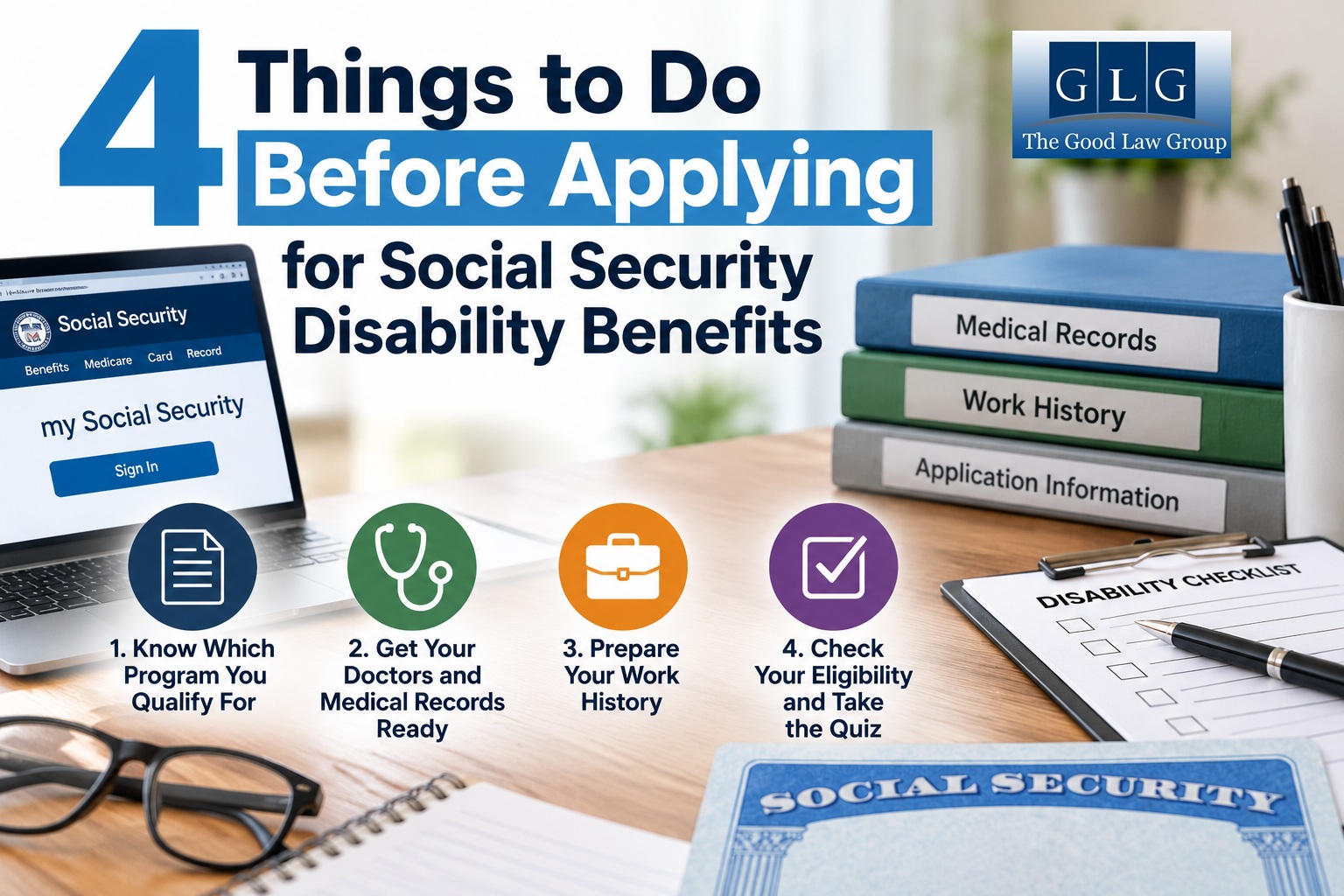
4 Things to Do Before Applying for Social Security Disability Benefits | Video
Before applying for Social Security Disability benefits, it's important to understand whether you qualify for SSDI or SSI, organize your medical records, and review your work history. Learn four practical steps that can help you prepare a stronger disability application, avoid common mistakes, and better understand the process.
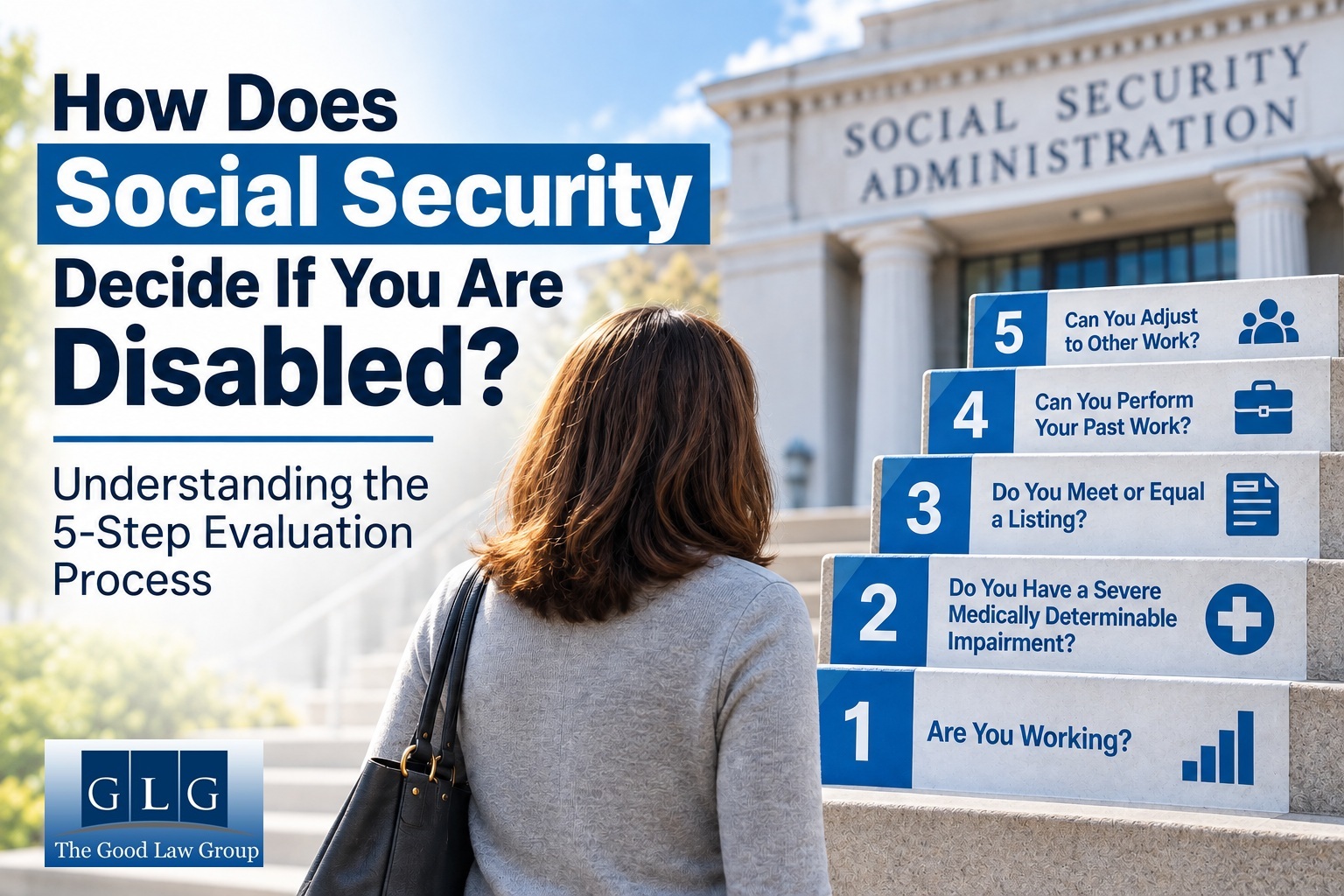
How Does Social Security Decide If You Are Disabled? Understanding the 5-Step Evaluation Process | Video
Social Security uses a five-step evaluation process to determine whether you qualify for disability benefits. Learn how SSA considers your work activity, medical conditions, Blue Book listings, residual functional capacity, past work, and ability to adjust to other work.

Can Your Children Get Social Security Benefits If You Receive Disability | Video
If you receive Social Security Disability Insurance (SSDI), certain children may also qualify for benefits based on your Social Security earnings record. Learn who may be eligible, how long a child can receive benefits, how Disabled Adult Child benefits work, and why the rules are different when a parent receives SSI. Watch our short video.

What to Expect at Your Consultative Exam for Social Security Disability
Are you unsure about what to expect at your physical consultative exam for Social Security disability? These exams can be confusing and sometimes incomplete, leaving you with unexpected results. I'll share essential tips and a helpful questionnaire to ensure you are fully prepared. Knowing what to bring and what to expect can make all the difference. Watch the video to learn more.
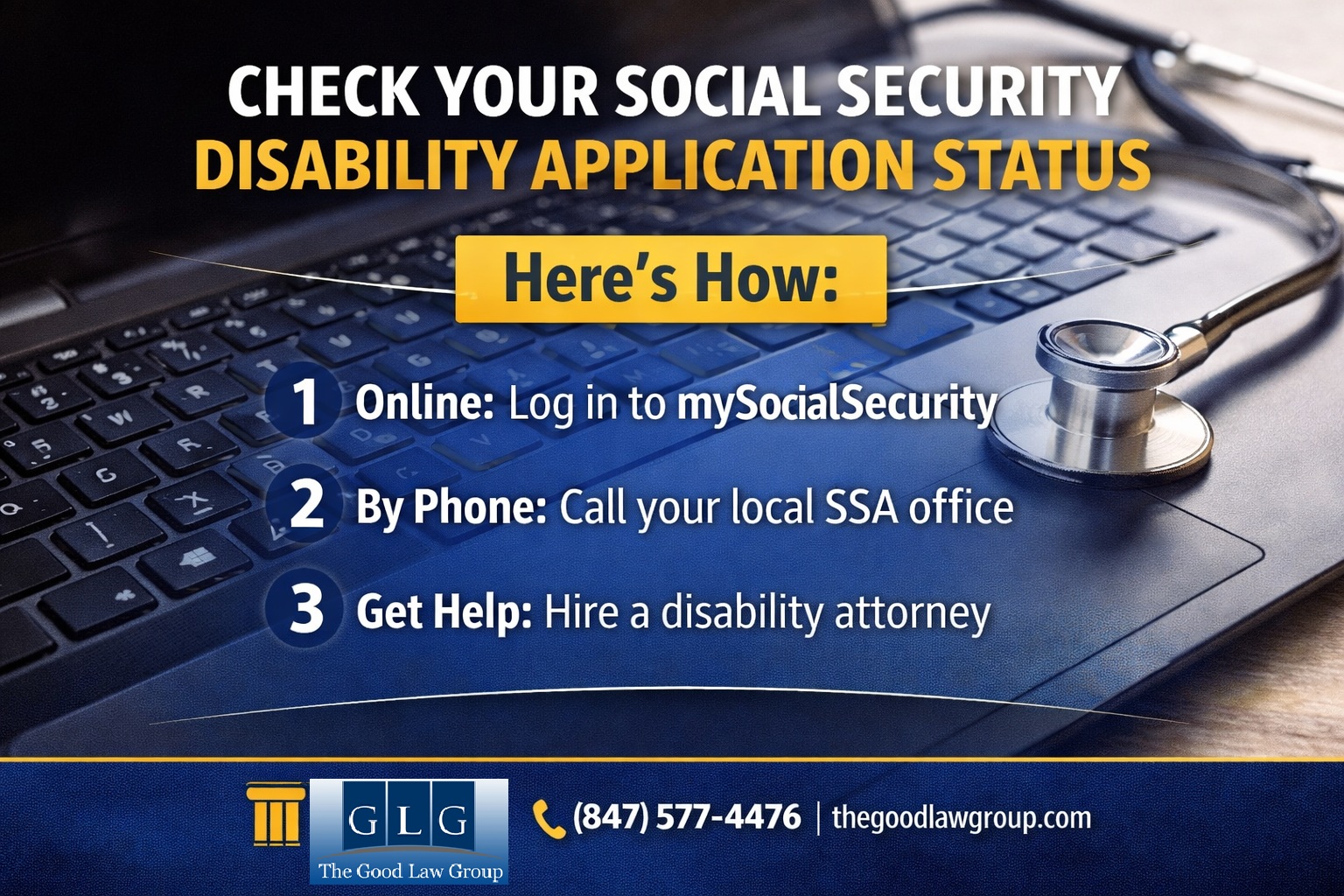
How to Check Your Disability Application Status
All this waiting to begin receiving social security disability benefits is understandably difficult. Fortunately, there are several options available to check the status of your disability application while you await a formal decision.

What are Social Security Rulings and Acquiescence Rulings?
Understanding the difference between Social Security Rulings and Acquiescence Rulings is key to navigating a successful SSDI claim. SSRs set legal precedents for how the SSA applies rules, while ARs reflect court-ordered changes in policy for specific federal circuits. This blog explains how both types of rulings can impact your case and why working with a knowledgeable disability attorney, like The Good Law Group, can make all the difference.
What is the Purpose of a Function Report for Social Security Disability?
When you apply for social security disability you will be required to complete a Function Report (Form SSA-3373-BK). The purpose of the Function Report is to provide the Social Security Administration with information about how your disability affects your ability to perform everyday functions.

What Not to Say at a Social Security Disability Hearing
When you finally get a Social Security Disability hearing after months of waiting, the last thing you want is to say something that harms your case. In this guide, we break down the common statements that can raise red flags with an Administrative Law Judge and how to answer questions honestly without hurting your credibility. With the right preparation and guidance from The Good Law Group, you can walk into your hearing confident and ready.

What to Expect During Your First SSI Interview
If you’ve applied for Supplemental Security Income (SSI), your first interview is an important step in the process. This guide explains what to expect, what questions you’ll be asked, what documents you need, and how to prepare so you can feel confident and ready.