


If you receive Social Security disability benefits, you may have wondered:
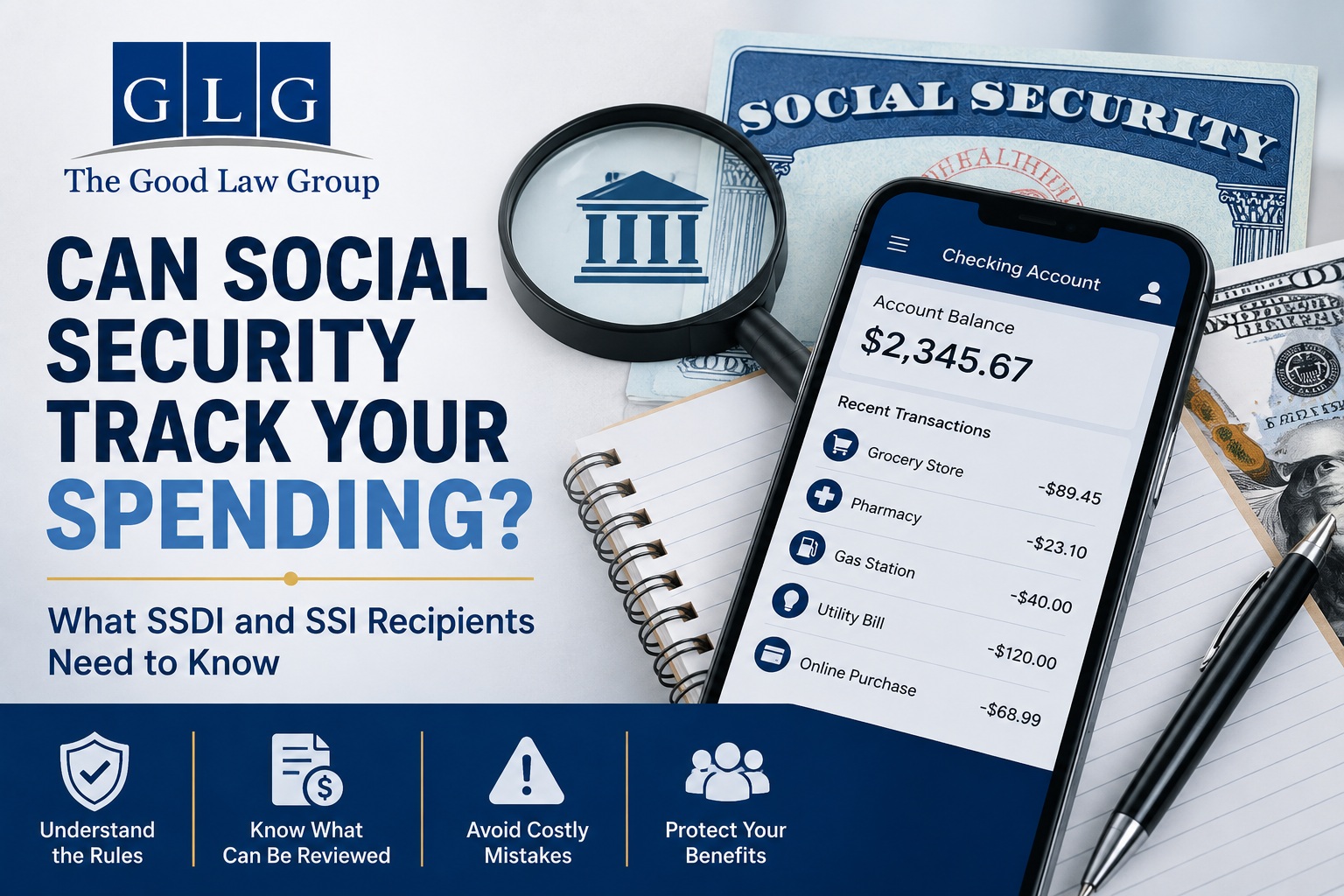
“Can Social Security see how I spend my money?”
It’s a common question and honestly, a valid concern. A lot of people worry that buying the wrong thing, receiving money from family, or having too much in their bank account could suddenly put their benefits at risk.
The truth is, the answer depends on which disability program you receive.
For some people, Social Security pays very close attention to finances. For others, not so much. Understanding the difference can help you avoid unnecessary stress and potentially serious problems with your benefits.
The First Thing to Know: SSDI and SSI Are Different
Many people use “disability benefits” as a catch-all term, but Social Security actually has two major disability programs:
- SSDI (Social Security Disability Insurance)
- SSI (Supplemental Security Income)
And when it comes to financial monitoring, the rules are very different.
If You Receive SSDI
SSDI is based on your:
- Work history
- Payroll taxes
- Medical disability
It is not based on financial need.
That means Social Security is usually not tracking how you spend your SSDI payments.
You generally:
✅ Can save money
✅ Can have a bank account
✅ Can spend benefits how you choose
Social Security is much more focused on:
- Whether you’re working
- How much you’re earning
- Whether your medical condition still qualifies
So if you’re on SSDI, you usually don’t need to panic over everyday spending.
If You Receive SSI, The Rules Are Stricter
SSI is different because it’s a needs-based program.
To qualify, you must stay under strict limits involving:
- Income
- Savings
- Assets/resources
- Living arrangements
Because of this, Social Security may review your financial situation more closely.
This is where many people accidentally run into problems.
Can Social Security Look at Your Bank Account?
For SSI recipients, yes — they can review financial records to verify eligibility.
That may include:
- Bank account balances
- Deposits
- Transfers
- Cash gifts
- Financial help from friends or family
Right now, SSI resource limits are generally:
- $2,000 for individuals
- $3,000 for couples
If your countable resources go above those limits, your benefits could be reduced or stopped altogether.
What Actually Raises Red Flags?
Social Security usually isn’t interested in normal spending like:
- Groceries
- Gas
- Rent
- Clothes
- Household expenses
But certain financial activity may trigger questions, especially for SSI recipients.
Examples include:
🚩 Large unexplained deposits
🚩 Regular money transfers
🚩 Hidden bank accounts
🚩 Unreported income
🚩 Someone paying your bills regularly
Even something as simple as family helping financially can sometimes affect SSI eligibility if it isn’t reported properly.
Are They Watching Every Purchase?
No. Social Security is not sitting there monitoring every coffee purchase or online order.
But they can review financial records during:
- Eligibility reviews
- Redeterminations
- Overpayment investigations
- Fraud investigations
And if something doesn’t match what was reported, they may ask questions.
What About Venmo, Cash App, or Zelle?
This is becoming a bigger issue.
Money sent through apps like:
- Venmo
- Cash App
- PayPal
- Zelle
…may count as income or support in some SSI cases.
For example:
- A friend regularly sending you money
- Family helping with bills
- Payments that look like work income
These situations can sometimes create problems if they aren’t reported correctly.
Representative Payees Have Extra Rules
If someone manages benefits on your behalf as a representative payee, Social Security may require records showing how the money was spent.
The funds are supposed to be used for things like:
- Housing
- Food
- Medical care
- Personal needs
In these cases, keeping records matters.
What Happens If Social Security Thinks There’s a Problem?
If the SSA believes:
- You exceeded financial limits
- You failed to report income
- Benefits were used improperly
…they may:
- Reduce benefits
- Stop payments
- Claim you were overpaid
- Request repayment
- Investigate further
Sometimes these situations happen because of honest mistakes, not fraud.
That’s why understanding the rules is so important.
The Biggest Mistake People Make
One of the most common mistakes SSI recipients make is assuming:
“If it’s not a paycheck, Social Security doesn’t care.”
Unfortunately, that’s not always true.
Gifts, support, deposits, and financial help can sometimes affect SSI benefits, even if the person had good intentions.
What You Should Do to Protect Yourself
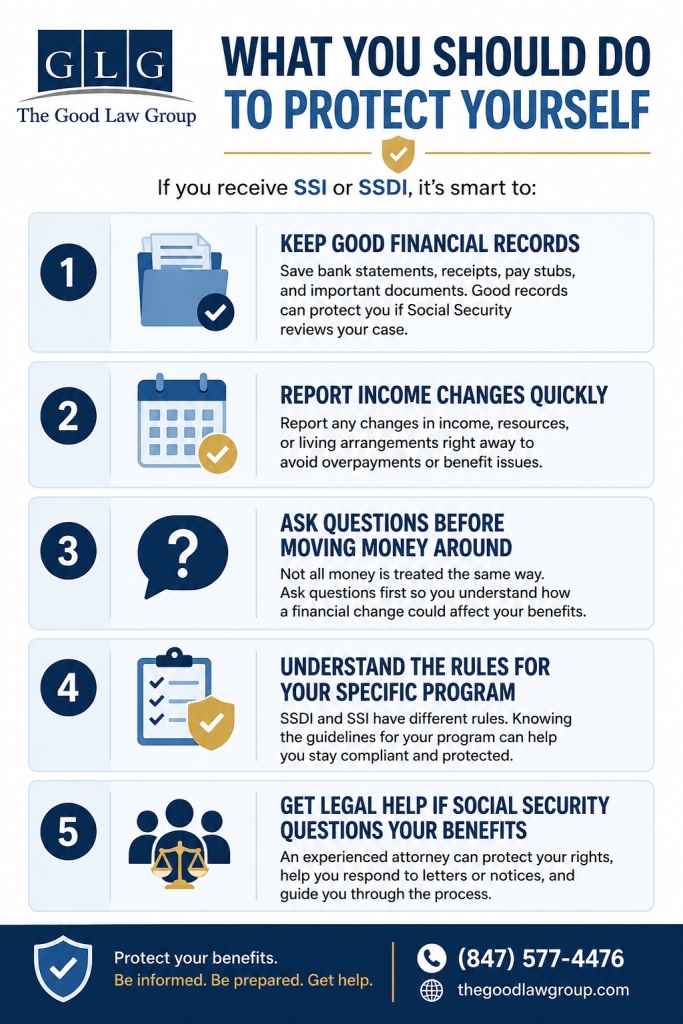
If you receive SSI or SSDI, it’s smart to:
✔️ Keep good financial records
✔️ Report income changes quickly
✔️ Ask questions before moving money around
✔️ Understand the rules for your specific program
✔️ Get legal help if Social Security questions your benefits
Frequently Asked Questions
Can Social Security track how you spend your money?
Usually not directly, but SSI recipients may have financial records reviewed to verify eligibility and resource limits.
Does SSDI monitor your bank account?
Generally no. SSDI is not based on financial need, so bank balances are typically not monitored the same way they are for SSI.
Can SSI recipients lose benefits for having too much money?
Yes. SSI has strict resource limits, and exceeding them may reduce or stop benefits.
Does Social Security look at cash app or Venmo transfers?
Potentially. If transfers affect income or resource calculations for SSI eligibility, they may become relevant during a review.
What should I do if Social Security questions my finances?
You should respond promptly and consider speaking with an experienced disability attorney to protect your rights and benefits.
You Don’t Have to Figure This Out Alone
Social Security rules can feel overwhelming especially when finances and disability benefits overlap.
At The Good Law Group, we help people:
- Protect their SSDI and SSI benefits
- Respond to overpayment notices
- Handle benefit reviews
- Appeal denied or terminated claims
If you’re worried about your benefits or received a notice from Social Security, we’re here to help.
📞 Call (847) 577-4476 for a FREE case evaluation.