







First Time Application
Applying for Disability Benefits? Let us Help
The Social Security Disability process can seem overwhelming, especially if you are trying to navigate the system while you are ill or injured and worrying about how your family will survive without your income. Submitting an application without the proper supporting documentation or other mistakes can lead to a denial of your claim. In fact, 65% of initial applications are denied, as are 91% of applications submitted for reconsideration (the first-level appeal).
Understanding Social Security Disability Insurance
Social Security Disability (SSD) is a federally run program that provides financial benefits to individuals who are unable to work due to disability or illness. SSD benefits are paid only to individuals who suffer a total disability – no benefits are made to individuals who are only partially disabled, or whose disability is considered short-term. So what is total disability? Any illness or disability that is expected to last more than 12 months, or is expected to result in the applicant’s death, is considered a total disability.
- There are two types of disability programs. Both provide financial benefits to individuals unable to work as a result of their disability but, aside from the disability requirement, each has different eligibility requirements.
- Social Security Disability Insurance (SSDI): SSDI is funded through employee workplace contributions. In order to be eligible for SSDI, applicants must have worked a specific number of quarters within a specific number of years, in addition to being disabled. The work requirements vary depending on the applicant’s age and employment history.
-
- Supplemental Security Income (SSI): SSI is limited to disabled individuals, the blind, or applicants age 65 and older, whose income and resources falls below a certain threshold, and/or do not meet SSDI work requirements. The amount of income and resources an applicant may have and still be eligible to receive SSI changes each year.
Get Help with Your Disability Case Today
The SSDI Application Process
The application is the first – and most critical – step in the SSD process. How it is completed, and how it is filed, can mean the difference between immediate approval or a denial that requires the applicant to go through the appeals process.
The Application
Each SSD claim begins with the application, which can be completed in person at your local disability determination field office, through the Social Security Administration’s (SSA) online application process, or over the phone. The specific circumstances of your case will dictate which application method is right for you.
Medical History
Central to your SSD application is providing documentation of your disability. The SSA maintains a list of more than 100 disabling conditions. There are very strict criteria an applicant must meet in order to be found to have one of these conditions. It is not enough to have your doctor or other medical provider submit a letter stating that you have a disability. Depending on the condition, the SSA may require the submission of MRIs, X-Rays, CT scans, genetic testing, or other specific tests that verify the severity of the disability. Submitting the wrong information can result in your application being denied and having to start the process over again.
Employment History
Because eligibility for SSDI is also dependent upon the applicant’s work history, it is important that you provide complete and accurate information regarding your employment history. Omitting any portion of your work history, no matter how minor, may mean the difference between approval or denial of your application.
Financial History
If you are applying for SSI, you will need to submit information on your income and resources. The amount of monthly income an SSI applicant may receive and still be eligible for benefits changes each year. The resource limit is $2,000, though are certain assets that are not included as a resource for SSI purposes. An experienced SSD attorney will review your finances and help determine whether you meet SSI’s financial eligibility requirements.
Don’t let mistakes derail your SSDI application
With two-thirds of all first-time applications for SSD denied, it is important that your SSD application be complete and accurate from the get-go. Denial of your application means a delay in receiving vital benefits for you and your family as you go through the lengthy appeals process. Our attorneys handle only SSD cases, so we know what information is most likely to result in your application being approved. Hiring an attorney before you file your SSD application can significantly increase your chances of approval, which means you can stop worrying about your finances and instead focus on your health.
Disability Law FAQ | Recent Articles and Videos

Working Seasonally and Applying for SSD Benefits
A lot of people take seasonal jobs. Workers of various ages and abilities can earn extra money, get job experience or turn a temp job into a permanent position. If you are currently on SSD benefits, you need to be careful about taking a seasonal position. Watch our video to learn more.

Signs That You Will Be Approved for Disability
Although no attorney can guarantee that the SSA will approve your application for social security disability benefits, some factors push the odds of approval in your favor.

Explaining Work History on Your SSD Application for Benefits
One way the SSA evaluates whether your disability prevents you from working is by conducting a thorough examination of your work history. You submit work history information on the Work History Report. Here’s what the SSA is looking for, and how to complete the form to improve the chance your disability application is approved.
The Importance of a Medical Source Statement to Your Social Security Disability Claim
A patient’s medical file is filled with labs, X-rays, MRIs, statements of diagnosis, treatment plans, detailed notes and a dozen other documents, all which support your medical condition and prove that you are disabled. So why does an attorney need a medical source statement to support your Social Security Disability (SSD) application? Watch our video to learn more.

Can You Collect Unemployment Benefits and Receive SSD Benefits
It could take almost two years before your SSD application is approved and you begin receiving benefits. The low initial approval rates combined with the lengthy wait times mean that many people who are unable to work apply for unemployment benefits to bridge the gap. While it is possible to obtain SSD benefits while receiving unemployment, some issues could complicate the process.
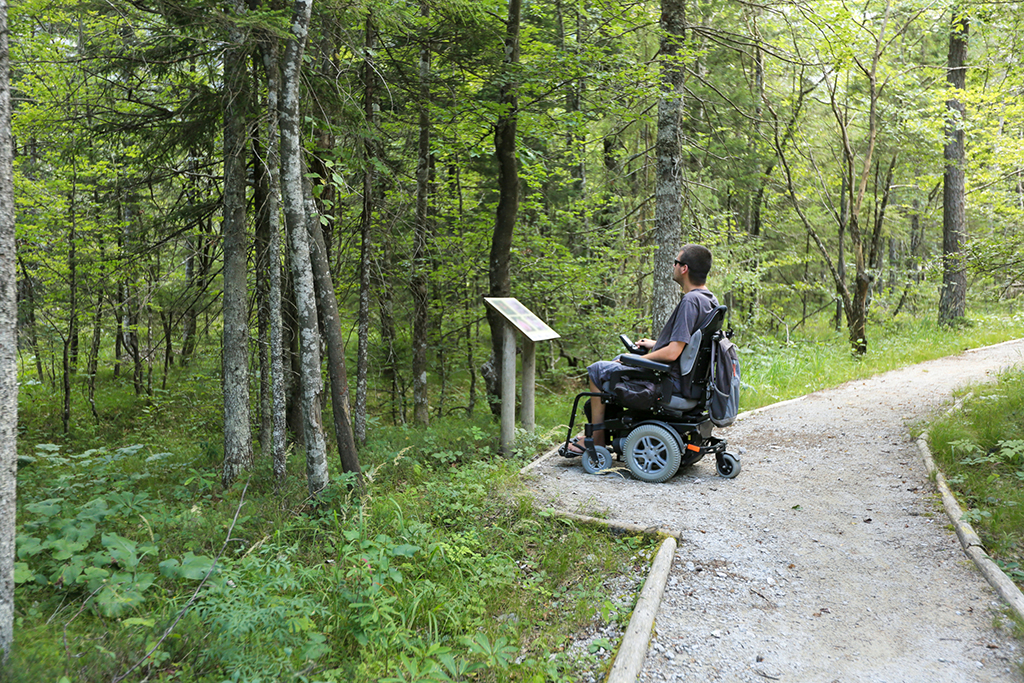
Is Diabetic Neuropathy / Peripheral Neuropathy an Official Disability?
Diabetic peripheral neuropathy can affect many bodily functions, though it most often affects the nerves in the lower extremities, leading to pain, numbness, and weakness in the legs and feet. For some, the effects of diabetic neuropathy are mild; for others, they are debilitating. If you were diagnosed with diabetic peripheral neuropathy and are unable to work, you may be eligible to receive social security disability (SSD) benefits.

What is an acceptable medical source?
The SSA establishes strict standards for medical evidence, including the use of acceptable medical sources. SSD applicants in Chicago risk claim denial if they fail to provide adequate evidence from an acceptable medical source. To learn more watch our short video.
What Can You Expect After You Win Your SSD Case?
So you have received notice that you’ve won your SSD case and are entitled to social security disability benefits. Congratulations! Although the hard part is over, that doesn’t mean you no longer have to deal with the Social Security Administration (SSA). Here is what you can expect after winning your SSD case.

Mental Health Disorders and Applying for SSD Benefits
The Social Security Administration(SSA) disability listings include 11 mental health conditions that are eligible for SSD benefits, including schizophrenia, bipolar disorder, autism spectrum disorders, and anxiety. But it takes more than simply being diagnosed with a mental health disorder to be eligible for SSD benefits.